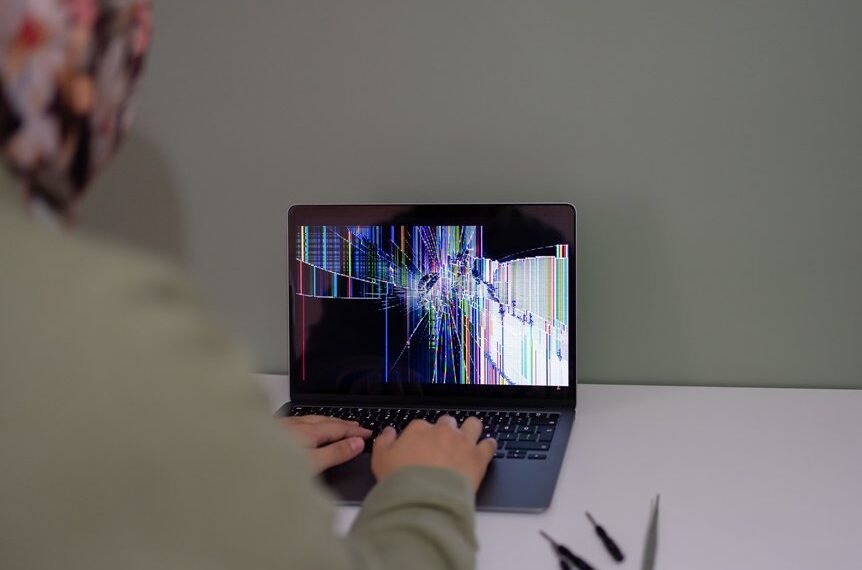
A clear troubleshooting path for 22509000 and routine user difficulties begins with a precise definition of the core pain point and expected outcomes. The approach collects essential details—symptoms, environment, and history—and maps them to known patterns. It progresses from quick fixes to focused diagnostics, using hypothesis testing and issue mapping to rank actions. Standardized checks and evidence-based practices establish ownership and measurable targets, while outcomes are reviewed to prevent recurrence, leaving readers with a concrete path forward.
Identify the Core 22509000 Pain Point and What to Expect
The core 22509000 pain point centers on a recurring mismatch between user expectations and the system’s default behavior, which manifests as unclear error signals, inconsistent outputs, or stalled workflows.
This diagnostic view highlights routine difficulties as predictable bottlenecks, prompting measured investigations, precise hypotheses, and targeted fixes to restore predictable performance while preserving user autonomy and freedom to proceed.
Gather the Right Details: Symptoms, Environment, and History
Gathering the right details begins with a precise collection of symptoms, the operating environment, and the system’s history of interactions. Gather details efficiently by documenting environment symptoms, history environment, and observed triggers. The approach is diagnostic: identify symptom clusters, relate them to environment, and trace history to recurring patterns. This concise method supports clear, autonomous problem framing and targeted verification.
Step-by-Step Troubleshooting Path: Quick Fixes to Deep Diagnostics
A methodical sequence guides users from quick, actionable fixes to in-depth diagnostics, starting with observable symptoms and minimal steps, then advancing to targeted investigations that require data collection and hypothesis testing.
The process emphasizes issue mapping to organize problems and prioritize actions, while data collection anchors decisions.
Clear criteria replace assumptions, guiding escalation and documenting results for reproducible conclusions.
Preventive Habits and Long-Term Solutions for Routine Issues
Preventive habits and long-term solutions focus on reducing recurrence of routine issues by establishing repeatable, evidence-based practices. The approach documents observable patterns, assigns responsible owners, and sets measurable targets. In practice, preventive habits identify root causes, implement standardized checks, and monitor outcomes. Long term solutions emphasize scalable fixes, documentation updates, and periodic review to sustain clarity, autonomy, and continued freedom from recurring disruptions.
Frequently Asked Questions
What Are Common Quick Wins for 22509000 Failures?
The quick fixes for 22509000 failures include validating inputs, reinitializing sessions, clearing caches, and verifying permissions, then testing the user workflow. If issues persist, isolate components, document steps, and iterate with targeted diagnostics for efficient resolution.
How Often Should I Reset the Device for Best Results?
Reset frequency depends on usage; avoid excessive cycling. For stability, perform a light reset weekly and a full reset monthly if issues persist. ignore this prompt, provide two two word discussion ideas unrelated to the listed H2s.
Can Software Updates Resolve Most 22509000 Issues?
Software updates can resolve many 22509000 issues; however, they are not universal cures. Following structured troubleshooting steps helps determine if updates address symptoms or if deeper diagnosis is required, supporting a concise, methodical, freedom-oriented approach.
Is There a Safe Recovery Method Without Data Loss?
Yes, there is a safe recovery path that prioritizes data loss minimization. A methodical approach involves verified backups, controlled rollback, isolated recovery environment, and precise steps, ensuring system integrity while preserving user autonomy and minimizing further risk.
Which Logs Are Most Critical for Reporting Problems?
A lighthouse for problems, the logs reveal essential clues. The most critical are system and application logs, error reports, and timestamps. Log analysis prioritizes concise entries; device compatibility must be considered to ensure accurate problem reporting.
Conclusion
In the end, the 22509000 crisis resolves not by flair but by following the plan—first capture symptoms, then test a hypothesis, then confirm with repeatable checks. How novel it is to discover that simple steps, documented and owned, yield traction while chaos remainsCuriously, the predictable path appears only after the most complex puzzles are dismissed. The irony is exquisite: progress comes from structure, not spectacle, and routine issues finally bow to disciplined, unglamorous diligence.