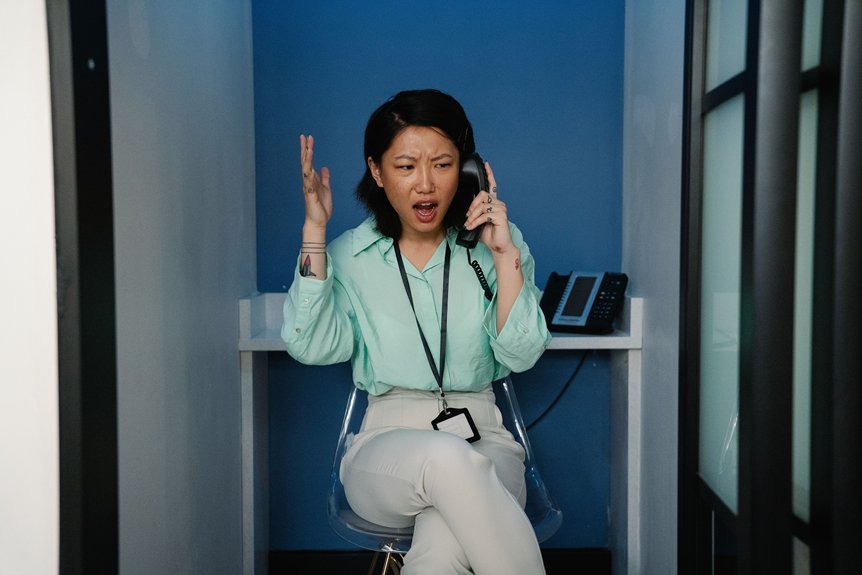
Common problems tied to 866-233-0353 include robocalls, potential scams, and billing inconsistencies. Callers may spoof numbers, obscuring origin and verification. Consumers often face unclear charges and mismatched invoices. The suggested corrective steps focus on verification through trusted sources, independent confirmation, and pausing engagement until authenticity is confirmed. Documentation, blocking, and call screening are recommended, along with monitoring bills and setting alerts. The situation invites a cautious, systematic approach that signals there is more to uncover.
What 866-233-0353 Typically Looks Like to Consumers
Many consumers encounter 866-233-0353 as a familiar toll-free number associated with common automated prompts and caller experiences. In perception, the interface appears standardized, predictable, and immediate, shaping expectations of speed and convenience.
Robocall awareness increases as patterns emerge: repeated voicemails, generic greetings, and inquiry requests.
Scam indicators include abrupt urgency and insufficient verification, prompting cautious engagement and disciplined caller skepticism.
Common Problems Tied to 866-233-0353 (Robocalls, Scams, Billing)
Common problems tied to 866-233-0353 often involve robocalls, potential scams, and billing-related issues. The pattern includes frequent unsolicited calls, unclear charges, and mismatched invoices. Scam indicators such as urgent requests, suspicious payment methods, and inconsistent caller context emerge. Caller ID spoofing may disguise origin, complicating verification and undermining trust while emphasizing the need for cautious engagement and documented records.
How to Verify Legitimacy and Protect Yourself Effectively
To verify legitimacy and protect oneself effectively, it is essential to adopt a structured verification process before engaging with any calls or messages from 866-233-0353.
The framework emphasizes verify scams awareness, independent confirmation, and cautious disclosure.
Verify caller identity through trusted sources, avoid sharing personal data, and document details.
Recognize caller ID spoofing attempts and pause until authenticity is established.
Step-by-Step Corrective Actions You Can Take Now
What immediate steps should be taken to address issues associated with 866-233-0353? The analysis identifies patterns of unwanted calls and bill scams. First, document times and numbers, then block the contact and enable call screening. Next, report to relevant authorities, review bills for anomalies, and monitor credits. Finally, set alerts for new charges, and educate others about safe verification practices.
Frequently Asked Questions
Are There Regional Patterns for Spoofed 866-233-0353 Calls?
Yes, regional patterns exist, with spoofing techniques varying by locale; attackers exploit area codes to appear local, while call routing anomalies and language cues reveal differences in geographic targeting and timing across regions.
How Can I Report Persistent Robocalls to Authorities?
“A stitch in time saves nine.” The report pathway: file complaints with reporting authorities, log persistent robocalls, and provide call details; adjust privacy settings to limit exposure, preserving privacy while pursuing action through appropriate authorities.
Do Scammers Ever Use Legitimate Businesses’ Branding?
Yes, scammers sometimes commit branding misuse, engaging in legitimate brand impersonation to deceive targets. They exploit logos and names, creating trust, then prompt financial or data extraction. Vigilance and verification are essential to counteract legitimate brand impersonation.
What Privacy Settings Reduce Exposure to Scam Calls?
Privacy settings reduce exposure by limiting who can dial or display numbers; exposure reduction is achieved through call blocking, scam indicators, and vendor protections. The approach is methodical, clear, and suitable for an audience seeking freedom from nuisance calls.
Can Legitimate Calls Be Flagged Without Harming Contacts?
Legitimate calling flags can be set without harming contacts, enabling contact safe filtering while preserving reach. This method distinguishes trusted numbers, reduces false positives, and maintains freedom to engage, though ongoing calibration may be required for evolving networks.
Conclusion
In summary, 866-233-0353 often presents as robocalls or disputed billing, prompting caution and verification. A practical statistic: 1 in 5 consumers report some form of call-based fraud in a given year, underscoring the need for independent confirmation before sharing information. The advised approach emphasizes pausing engagement, documenting details, cross-checking bills, and employing call screening and blocking. This methodical protocol reduces risk and improves confidence in identifying legitimate communications.